Empowering A Healthy And Educated Burma/Myanmar Through Community Partnerships
The Problem
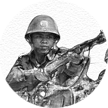
No Army Oversight
Despite the election of Aung San Suu Kyi's National League for Democracy to hold the majority of seats in parliament, the Myanmar Army continues its assaults on the ethnic minorities.

Violent Attacks
The Army attacks villages, killing citizens, burning crops and seizing land for international development. Rape is used as a weapon of war to intimidate communities.
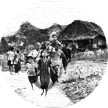
Displacement
650,000 people are internally displaced and at least twice as many are isolated without infrastructure. Others have fled the country, living in refugee camps or as undocumented workers.
The Impact
The Impact On Health, Education And Human Rights Is Devastating
Disease
Burma has one the world’s worst health care systems, with some of the highest rates of malaria, tuberculosis, AIDS, dysentery, diarrhea and other communicable illnesses in the world. In the ethnic conflict areas of Burma, the government provides no healthcare. 15% of children die before their 5th birthday, mostly from illnesses that are easily preventable. Malaria accounts for nearly half of all deaths. 1 in 12 expecting mothers will not survive pregnancy.
Malnutrition
Food is considered a fundamental human right. Yet the ruling elite systematically denies food to the civilian population of Burma. The UN World Food Program estimates that 18% of households lack access to enough food to meet their dietary needs and 27% of children under the age of 5 are chronically malnourished enough to stunt their growth.
Illiteracy
Internationally, education is regarded as an indispensable human right. In Burma, however, it is inaccessible to most people. The ruling elite understands that education is dangerous to their maintenance of power and control: when people are educated they question the government and demand their rights. According to the United Nations, overall Burma ranks 164 out of 168 countries for public expenditure on education. Education opportunities are almost nonexistent in ethnic areas of Burma.
Gender Inequality
Women and girls face disadvantages in Burma. Forced displacement exposes refugees, migrants and internally displaced persons, especially women and girls, to additional risks and exploitation. Violence against women, especially rape, sexual assault, abduction, forced prostitution and sexual slavery, are caused by conflict and poverty.
Our Solutions
Community Healthcare
We equip community based BACKPACK MEDICS who travel among their people to administer primary healthcare services to counter the effects of malnutrition, disease and violence.
Read our full 2019 Annual Backpack Medic Report.We are honored to thank these organizations for their support of our medic teams.
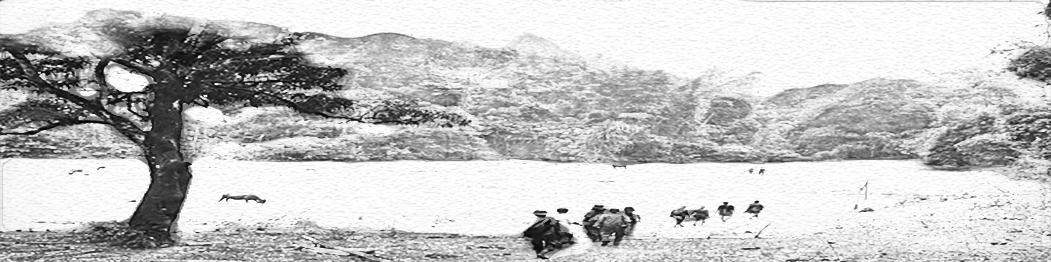
Grassroots Education
We support grassroots education to empower youth and communities.

Educates children who've been compelled into indentured servitude in order to sustain their families. Mobile classrooms provide an opportunity to develop vocational skills and learn basic literacy, math and computer skills in a safe environment to gain self-confidence and develop critical thinking skills through innovative, interactive instruction.

Provides education at an international standard, by increasing general knowledge, promoting critical and lateral thinking, and providing awareness of world issues. Encourages a new generation to have a personal commitment to Burma, so students will return to Burma or the border after university and/or additional training, to guide and educate their people, and continue to work for change in their communities.
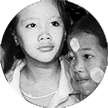
Educates migrant children from Burma who are not allowed by Thai authorities to attend Thai Schools. Provides general education to children from preschool through 12th Grade while also reinforcing cultural traditions to children who have been displaced from Burma. Provides a safe educational setting to the children of Backpack Medics while their parents are in the field.
Empowerment
We enable human rights advocacy and capacity building efforts to empower a new generation of leadership and cross-cultural peacemaking.

Advocates and supports human rights and through documentary filmmaking and workshops built around those films. Through strong character development and powerful storytelling, director Jeanne Marie Hallacy's films serve as essential tools for positive change.
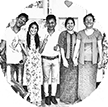
MYANMAR CENTER FOR CIVIC LEADERSHIP
Empowers underrepresented communities in Myanmar through trainings, workshops, classes, and outreach programs. Encourages individual and community leadership providing direct benefit to communities. This model merges theory with action to prepare leaders to effect positive change.

SMILE EDUCATION & DEVELOPMENT FOUNDATION
Promotes freedom of religion and belief, builds interfaith harmony, and transforms intercommunal conflict throughout Myanmar. Committed to building active citizenship networks, investing in youth leadership, fostering reconciliation and social cohesion among diverse communities, and facilitating critical thinking, dialogue and skill building to create a diverse civil society.
Support And Advocacy
We empower you to exercise your health and creativity to support and advocate for the people of Burma.
Join the Run for Burma team for the Marine Corps Marathon, USA Tough Mudder or any other athletic endeavor of your choice!
Lather up and save two lives! Each bar of hand-made soap provides malaria medication for a pregnant mother!
Join us for our first Virtual Run for Refugees. All proceeds support education for the children of Backpack medics at CDC School.
HEALTHCARE IS A HUMAN RIGHT TEE SHIRTS
An important message for our time...and each shirt provides support to backpack medic teams.
Integrity
We have a SMALL, STREAMLINED BOARD and low overhead in order to maximize responsiveness and effectiveness to our programs.
We believe that every dollar you donate can make a difference for the people of Burma and act with the highest level of FINANCIAL ACCOUNTABILITY AND RESPONSIBILITY.
We believe enduring peace in Burma will only be possible when women and men enjoy EQUAL OPPORTUNITYto rise to their potential.
CLIMATE CHANGE is one of most urgent and serious environmental, economic, political, social and humanitarian issues of our time. As advocates for the future of the people of Burma, we call upon global leaders to act to prevent climate change, to mitigate the effects of climate change, and to level the global playing field with regard to Least Developed Nations, such as Burma/Myanmar. We will partner with organizations that are working to develop the country to ensure a healthy future. We support the Paris Agreement!
Support Our Efforts
Please follow us on Facebook or Youtube, support our work by shopping at Amazon Smile or MAKE A DONATION.